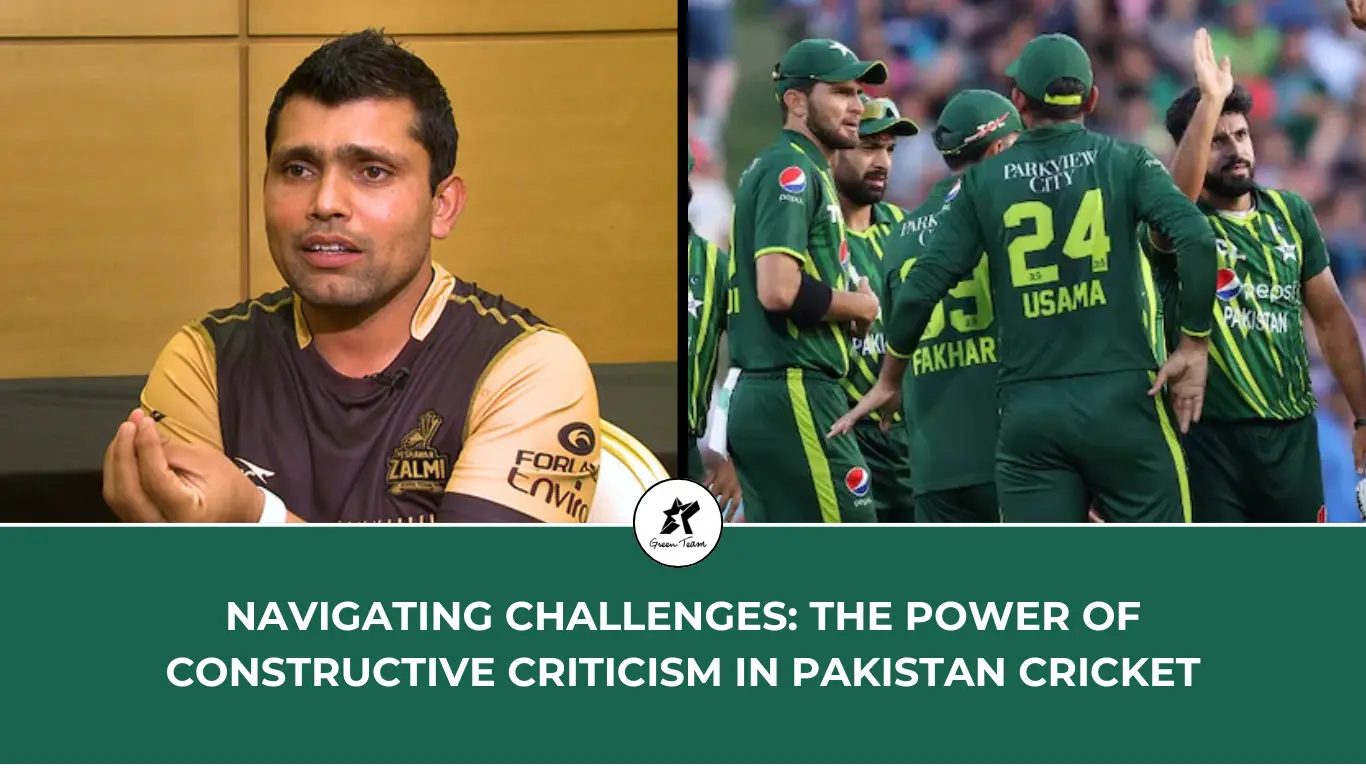
In a growing trend where former players and analysts have become increasingly critical of the Pakistan cricket team, former wicketkeeper-batter Kamran Akmal has joined the chorus following Pakistan’s loss in the second T20I against England in Birmingham. However, it is important to note that constructive criticism in Pakistan cricket is needed for the betterment of the team instead of criticism that is based on biases or personal grievances.
Emphasizing Performance Over Personal Relationships
Akmal, speaking on his YouTube channel, critiqued the team’s mindset, emphasizing the need to prioritize performance over personal relationships. He highlighted the importance of giving opportunities to bench players who are in good form but haven’t been given a chance to prove themselves. Specifically, Akmal called out the prolonged inclusion of players like Shadab Khan despite subpar performances over the past two and a half years. He urged head coach Gary Kirsten to be more assertive in making necessary changes to the lineup, emphasizing that the national team should not be treated like a club where friendships dictate selections.
He expressed disappointment, having expected more decisive action from Kirsten, given his reputation as a successful coach. Akmal stressed that the management should prioritize the team’s success over individual relationships, suggesting that players like Abrar Ahmed should be given an opportunity.
Importance of Constructive Criticism in Pakistan Cricket
However, it is equally important for former players like Akmal and other analysts to maintain neutrality and set aside personal biases when offering criticism. Constructive criticism in Pakistan cricket is vital, but it should aim to support the team’s improvement rather than serve as an opportunity for point-scoring or reveling in the team’s failures. This trend of excessive and sometimes biased criticism does not contribute positively to the team’s development. Even players who did not achieve significant success in their careers sometimes act as if they are the ultimate authorities in the sport. During the ODI World Cup, it was apparent that some critics were more interested in scoring points rather than genuinely analyzing the team’s performance. This attitude can undermine the morale of current players and does not foster a productive environment for growth.
Maintaining a Supportive Discourse
A lot needs to be improved in the national team, and there should be a proper discourse that allows everyone to voice their concerns. However, it is crucial that this discourse be conducted in a manner that helps the team. Constructive criticism in Pakistan cricket, grounded in a genuine desire to see the team succeed, can drive positive change, whereas biased or overly harsh critiques only serve to undermine the team’s morale and cohesion. By fostering a supportive and honest environment, both current players and critics can contribute to the team’s growth and improvement.
Stability in Team and Management
It’s imperative to emphasize the necessity for stability within the team and its management. Politics, in all its forms, must be rigorously kept away from the realm of Pakistan cricket. Stability in team dynamics and management structures is essential for fostering a conducive environment for growth and success. When internal politics or external influences seep into the fabric of the team, it can disrupt focus, cohesion, and ultimately, performance. Therefore, it is incumbent upon all stakeholders, from the players to the administrators, to prioritize the sport’s integrity and the team’s collective goals above all else.
Read more: