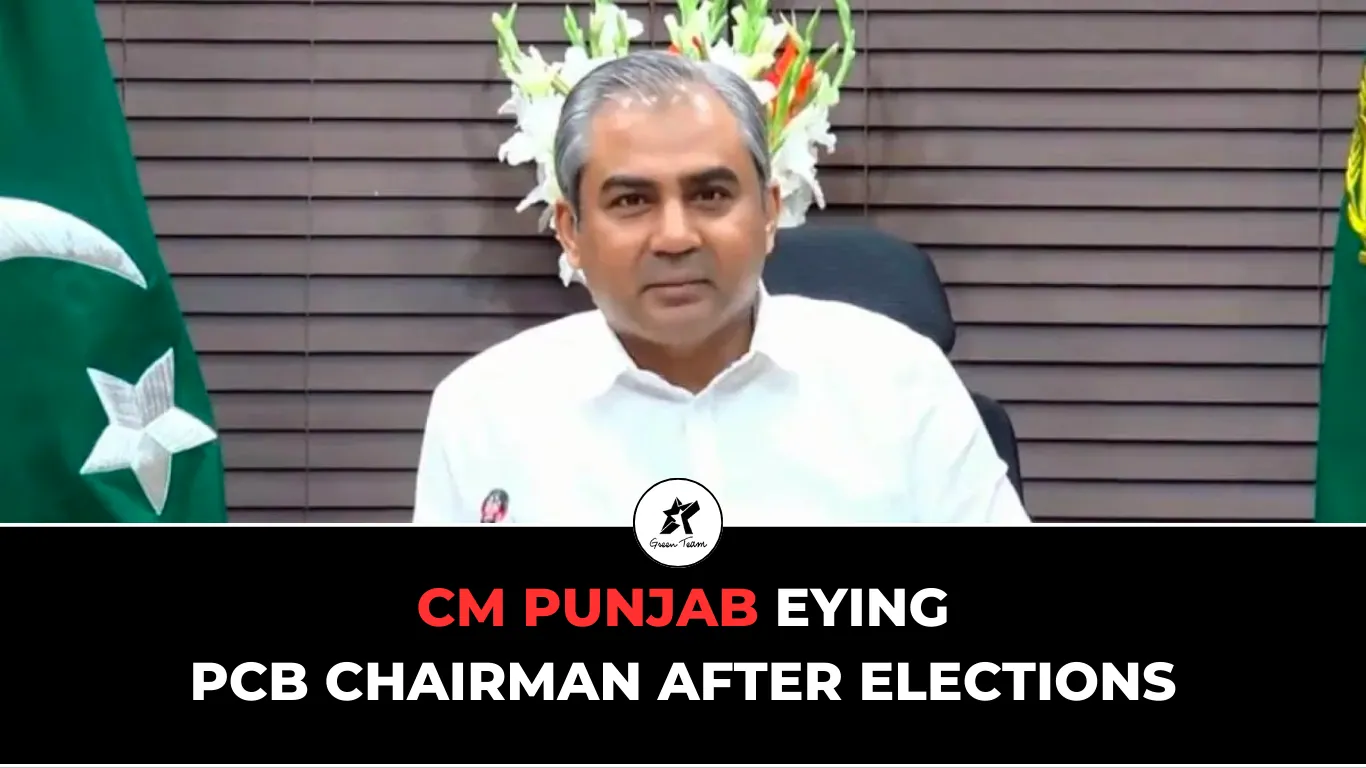
No matter how dishevelled things are in the Pakistan cricketing circuit as well as the country as a whole, one thing that everyone has decided to stick religiously to is timely check-ins and check-outs of the PCB chairman. Almost robotically, after every few months, the sitting chairman resigns citing whatever reason suits him and a very unexpected name is put on the hit list by the governing body. Despite the frequent coming and exiting of chairpersons, it has been more than a year since a formally selected candidate occupied the chairman seat. Succumbing to the ETA of a new chairman, Zaka Ashraf handed in his resignation and was quickly replaced with a new Board of Governors member, Mohsin Naqvi, who is likely to ascend to the head of the governing body seat in the upcoming chairman elections.
Naqvi’s appointment as a BoG member would not have raised as much concern as it has done if it was not for the fact that he runs the affairs, as a stand-in, of the country’s most populated province. Being the Chief Minister of Punjab, his taking the reins as a chairman from Ashraf would imply plenty of things prohibited by the International Cricket Council including governmental influence. Governmental influence in governance and regulation was what handed Sri Lanka Cricket a suspension just recently. Can Pakistan suffer the same fate, should Mohsin ascend as the head of the PCB?
What does the PCB constitution say about electing a chairman?
The constitution of the Pakistan Cricket Board, as approved and written by the Supreme Court of Pakistan, stipulates that the head of the governing body can be chosen through voting from within the 10-member Board of Governors. The members of the BoGs are themselves elected to the panel: four regional representatives from Peshawar, Lahore, Karachi, and Rawalpindi, four representatives from departments: Sui Northern Gas Pipeline Limited, Sui Southern Gas Company, Water and Power Development Authority, and Khan Research Laboratory and the remaining two are named by the Patron-in-Chief. Mohsin Naqvi, in this case, is one of the nominees selected by the Prime Minister of Pakistan, who also serves as the Patron-in-Chief.
The ICC has allowed Pakistan to stick to this model of naming its Board head without raising any eyebrows. Obviously, in practice, more weightage has always been given to the names submitted by the PM of the country.
Interesting to read: BCCI’s Visit to Pakistan: Fostering Diplomatic Relations through Cricket
The unique case of South Asian countries
Involvement of the country’s Legislative is itself a significant testament to some extent of involvement of the Government in influencing the affairs of the Pakistan Cricket Board. PCB is not the only guilty in this case. Boards of countries in the same region, including India, can not realistically claim to have their affairs run cent percent autonomously. ICC is well aware of this situation as well. But why has the ICC never intervened to stop such practices in these cricket-mad countries? The simple answer is that these countries are madly in love with cricket.
ICC understands that allowing the cricket boards in nations like Pakistan and India to run independently would be synonymous with the invention of a cricketing Frankenstein. The following and influence of the game in the region, if left unchecked, would grow on to attain more power than what ICC would fancy. So to tackle this unusual scenario, the international governing body has allowed the involvement of the government as an oversight body to these boards, keeping its influence as minimal as possible.
So, will the PCB be banned if Mohsin Naqvi becomes chairman?
Unless something horribly unexpected happens, the ICC will not suspend PCB over appointing a chairperson, who is most likely to be absolved of his CM duties in a week or so after the general elections. Keeping the pros and cons of the inclusion of Naqvi to the BoG aside, his being selected as the chair of the Cricket Board of Pakistan should remain as unpolitical as any other decisions of the board, in the eyes of the international cricket governing body.
Also read: