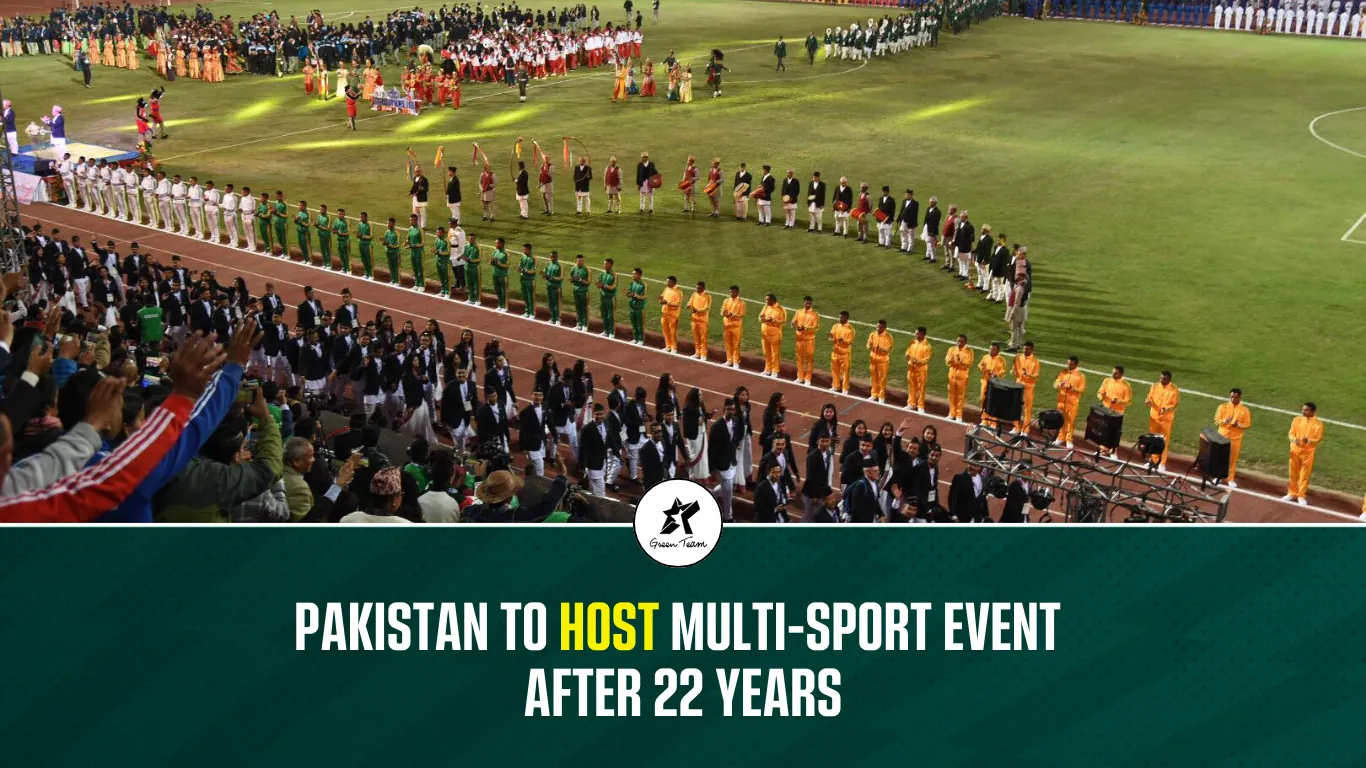
The South Asian Games (SAG) are a multi-sport event held every two years (except for some occasions) for athletes from different countries in South Asia. These games are similar to the Asian Games, but they focus specifically on South Asian countries. The Participating nations are India, Pakistan, Bangladesh, Sri Lanka, Nepal, Bhutan, Maldives and Afghanistan (Former member). The Games feature a variety of sports, with participation from athletes in both individual and team competitions.
Significance of the South Asian Games:
The SAG provides a platform for athletes from countries that may not often appear on the global sporting stage to showcase their talents and gain international recognition, also encouraging the development of sports.
History:
The event is organized by the South Asian Olympic Council (SAOC), established in 1983. The SAG were first held in 1984 in Kathmandu, Nepal. The main concept of the Games was to promote regional cooperation and friendly ties through competition in sports among South Asian countries. The inaugural edition of the games featured a limited range of sports but rapidly expanded in both scale and significance within the region.
Host Nations and Cities:
There have been 13 editions of the South Asian Games held till date, with the most recent one being the 13th edition held in Nepal in 2019; the 14th edition is scheduled to be held in Pakistan in 2026. Let’s take a look at all previous hosts Cities/Countries of the Games.
- 1984 – Kathmandu, Nepal (Inaugural Edition)
- 1985 – Dhaka, Bangladesh
- 1987 – Calcutta, India
- 1989 – Islamabad, Pakistan
- 1991 – Colombo, Sri Lanka (This edition marked the renaming of the event from South Asian Federation Games to South Asian Games.)
- 1993 – New Delhi, India
- 1995 – Chennai, India
- 1999 – Kathmandu, Nepal
- 2004 – Islamabad, Pakistan
- 2006 – Colombo, Sri Lanka
- 2010 – Dhaka, Bangladesh
- 2016 – Guwahati and Shillong, India
- 2019 – Kathmandu and Pokhara, Nepal
Sports and Events:
The SA Games feature a wide range of sports, including Athletics, Badminton, Basketball, Boxing, Cricket, Football, Hockey, Judo, Kabaddi, Karate, Wrestling, Table Tennis, Swimming, Volleyball, Weightlifting, Tennis, Handball, Taekwondo, Shooting, Archery, Cycling, Rugby (Seven-a-side), Sepak Takraw, Squash, Golf, Equestrian, Fencing, Chess, Pencak Silat, Softball, Sailing, Canoeing, Triathlon, and Gymnastics. These sports showcase the diversity of athletic disciplines across South Asia, with a mixture of both traditional and international events.
Performance Overview:
India’s Dominance:
India has long been the dominant force in the history of the South Asian Games, consistently topping the medal tally in nearly every edition. The country’s success spans across a variety of sports, including athletics, wrestling, badminton, and swimming. Additionally, India has excelled in team sports such as hockey and football, further strengthening its position as the top contender in the region.
India has won a total of 2,378 medals in the South Asian Games, including 1,263 Gold, 736 Silver, and 379 Bronze medals.
Pakistan’s Stronghold:
Pakistan, though not as dominant as India, has shown strong performances in sports like wrestling, hockey, and boxing. Historically, the country has been highly competitive in team sports, especially field hockey, where it has been one of the region’s top teams.
Pakistan has earned a total of 1,150 medals in the SA Games, consisting of 297 Gold, 421 Silver, and 432 Bronze medals.
Sri Lanka’s Emerging Power:
Sri Lanka has been steadily growing as a strong competitor in the South Asian Games, particularly in sports like cricket, athletics, and volleyball. Though it may not have topped the medal tally, Sri Lanka has consistently earned a commendable number of medals, totaling 1,367 across various editions of the South Asian Games, with a tally of 250 gold, 436 silver, and 681 bronze medals.
Bangladesh and Nepal’s Progress:
Bangladesh and Nepal have made considerable strides over the years, particularly in sports like badminton, wrestling, and archery. Both countries have increasingly gained recognition at the South Asian Games for their emerging talent. To date, Bangladesh has secured 86 gold, 210 silver, and 493 bronze medals, totaling 789 medals and Nepal has secured 124 gold, 186 silver, and 380 bronze medals, totalling 690 medals.
Bhutan and Maldives’ Performance:
Bhutan has a relatively modest performance history in the South Asian Games, consistently finishing towards the lower end of the medal tally. However, Bhutan has had notable performances in archery and other traditional events. In contrast, the Maldives has participated consistently, though on a smaller scale, in the South Asian Games They’ve done well in water sports like swimming and diving, but their total medal count is lower compared to other countries.Over the years, Bhutan has accumulated 2 gold, 23 silver, and 66 bronze medals, totaling 91 medals, While Maldives has earned 1 gold, 3 silver, and 13 bronze medals, with a total of 17 medals.
Pakistan: Host of the Upcoming South Asian Games
Pakistan to host delayed South Asian Games in January 2026. In 2019, the Sri Lankan Ministry of Sports announced that Sri Lanka, in partnership with the Maldives, had submitted a bid to host the South Asian Games. However, in December 2019, the South Asian Olympic Council awarded Pakistan the hosting rights. On December 10, Pakistan’s Olympic Association (POA) President, Arif Hassan, officially received the Games flag, marking the country’s role as the host for the third time since 1989 and 2004.
The South Asian Games were originally scheduled for 2021 but were postponed due to the COVID-19 pandemic. After much anticipation and delays in hosting this major multi-sport event in Pakistan, the dates were finally confirmed. In February 2025, during a meeting between the Pakistan Sports Board and the South Asia Olympic Council, it was officially announced that the Games will now take place from January 23rd to 31st, 2026.
Lahore will serve as the main host city for the Games, while Faisalabad, Narowal, and Islamabad will assist in hosting various sports events.
Also Read: 75 Years of Glorifying the Sports History of Pakistan
Can the South Asian Games 2026 Spark a Sports Revolution in Pakistan?:
The South Asian Games 2026 in Pakistan could be a big opportunity to grow sports in the country. If handled well, it can bring many benefits like better sports facilities, more people playing sports, and national pride. However, it will need effort from the government, sports groups, and local communities to make sure the impact lasts after the games. By focusing on long-term growth, Pakistan can use the event to build a better future for sports.
Conclusion:
In conclusion, the SA Games Legacy represents not just a celebration of sports, but also a symbol of regional unity and growth. Pakistan’s role as the host nation in 2026 marks a historic moment, providing an opportunity to elevate the country’s sports culture, improve infrastructure, and inspire future generations of athletes. By hosting this prestigious event, Pakistan has the chance to enhance its standing in regional sports and create a long-lasting impact that lasts far beyond the event itself.