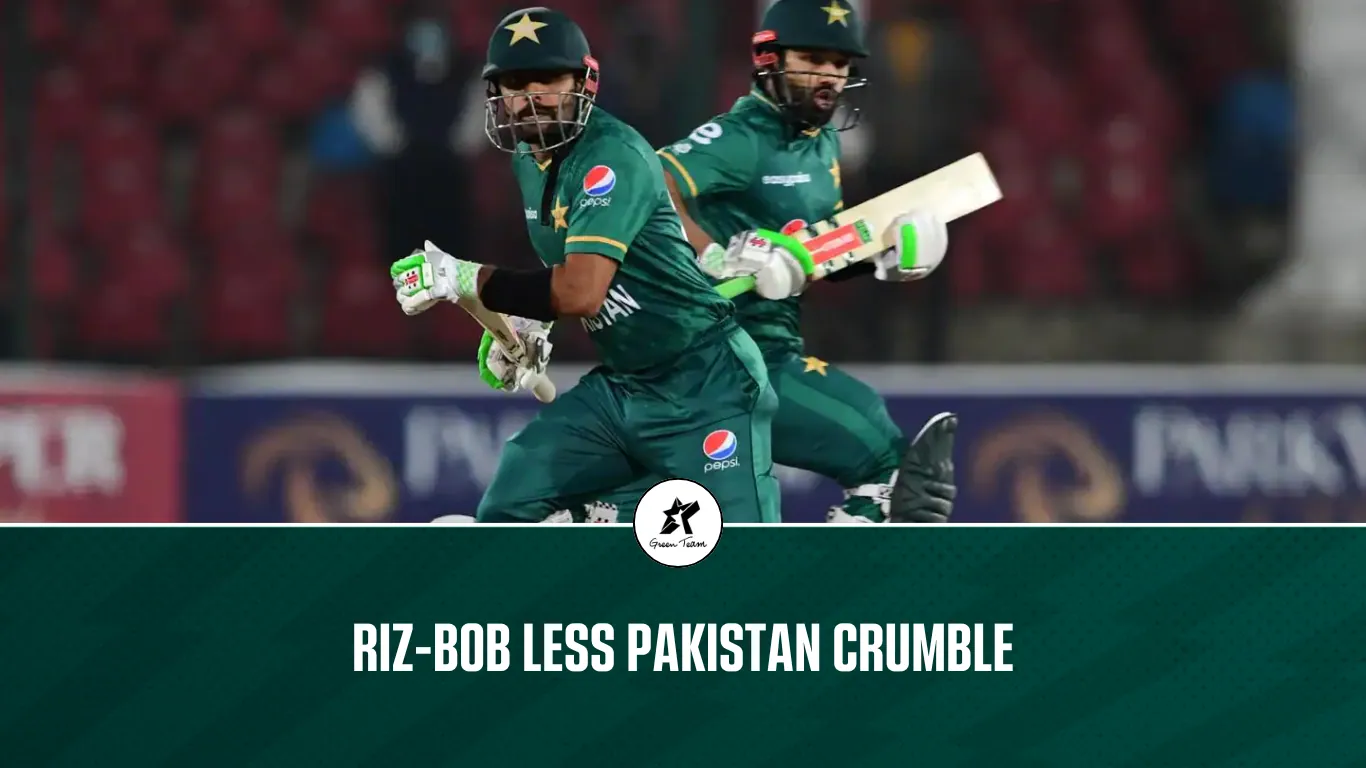
Following a humiliating exit from the Champions Trophy, Pakistan’s cricket team once again suffered a crushing nine-wicket defeat, exposing glaring deficiencies across all departments in the opening T20 International of the five-match series against New Zealand at Christchurch’s Hagley Oval. The only difference was giving rest to key players like Babar and Rizwan and appointment of an entirely new captain and young players.
Batting, Bowling, and Fielding Collapse: An Alarming yet Persistent Trend
Under the captaincy of Salman Ali Agha, Pakistan chose to bat first, innings unravelled swiftly, culminating in a meagre total of 91 runs in 18.4 overs—their fifth-lowest score in T20 history. The top-order collapse was stark, with the team languishing at 14 for 4 by the end of the six-over powerplay. New Zealand’s pacers, notably Kyle Jamieson (3 for 8) and Jacob Duffy (4 for 14), effectively exploited Pakistan’s vulnerabilities. Khushdil Shah’s 32 off 30 deliveries provided a semblance of resistance; however, the lack of substantial partnerships rendered the innings untenable. Defending a modest total required early breakthroughs and impeccable fielding—both conspicuously absent. New Zealand’s openers, Tim Seifert (44 off 29) and Finn Allen (29*), navigated Pakistan’s bowling with ease. The bowlers struggled to extract movement or impose pressure, and fielding lapses further compounded the team’s woes. New Zealand’s chase was consummated in just 10.1 overs, epitomizing Pakistan’s inefficacy in the field.
The Absence of Babar and Rizwan: A Strategic Misstep?
The exclusion of stalwarts Babar Azam and Mohammad Rizwan from the T20 squad marked a strategic pivot aimed at infusing aggression into the batting lineup. However, this transition appeared to destabilize the unit, with the top order exhibiting neither resilience nor intent. Former players, including Saeed Ajmal, have openly criticized the decision, questioning the rationale behind sidelining experienced campaigners without adequate justification.
Talent and Confidence: No Control, No Pressure
The debacle raises pertinent questions about the depth of talent and psychological fortitude within the current squad. The inability to adapt to conditions, coupled with a palpable lack of confidence, suggests systemic issues within the team’s development framework. While the intent to provide opportunities to emerging players is commendable, the absence of a phased integration strategy appears to have left the team bereft of direction and experience.
Historical Context: A Pattern of Underperformance
This defeat is not an isolated incident but part of a concerning pattern. In the recent Champions Trophy opener, Pakistan succumbed to New Zealand by 60 runs, with the opposition posting an imposing total of 320-5. Such performances highlight the team’s ongoing struggles in adapting to high-pressure situations and formidable opponents.
The Path Forward: Reintegration or Rebuilding?
In light of the drubbing, the debate intensifies over whether to reinstate Babar Azam and Mohammad Rizwan to stabilize the lineup or to persist with the current cohort to expedite their maturation. A balanced approach, potentially reintegrating experienced players while gradually nurturing young talent, may offer a more sustainable path to competitiveness. The management’s forthcoming decisions will be pivotal in either arresting the decline or perpetuating the current malaise.
While fans have grown accustomed to such embarrassing defeats, the real question is whether it is fair to criticise, shame, and dismiss young players without providing them with the same opportunities that senior players received across multiple fruitless tournaments—or should the team simply reinstate the same experienced players once again?