PSL 2026 changes: A Season Like No Other
The Pakistan Super League (PSL) 2026, its 11th edition, was expected to signal a bold new era. Organizers planned expansion, structural reforms, and a refreshed tournament format. Instead, the season has transformed into one of the most disrupted editions in PSL history.
Economic pressures, global uncertainty, and player availability issues have reshaped the league. As a result, PSL 2026 now reflects adaptation under pressure rather than celebration and growth.
Matches Restricted to Lahore & Karachi
In a major shift, the Pakistan Cricket Board has limited all matches to Lahore and Karachi. This decision replaces the original multi-city schedule that included several major venues.
Cities like Multan, Rawalpindi, and Peshawar will not host matches this season. This reduction has significantly impacted regional fan engagement and the broader cricket ecosystem.
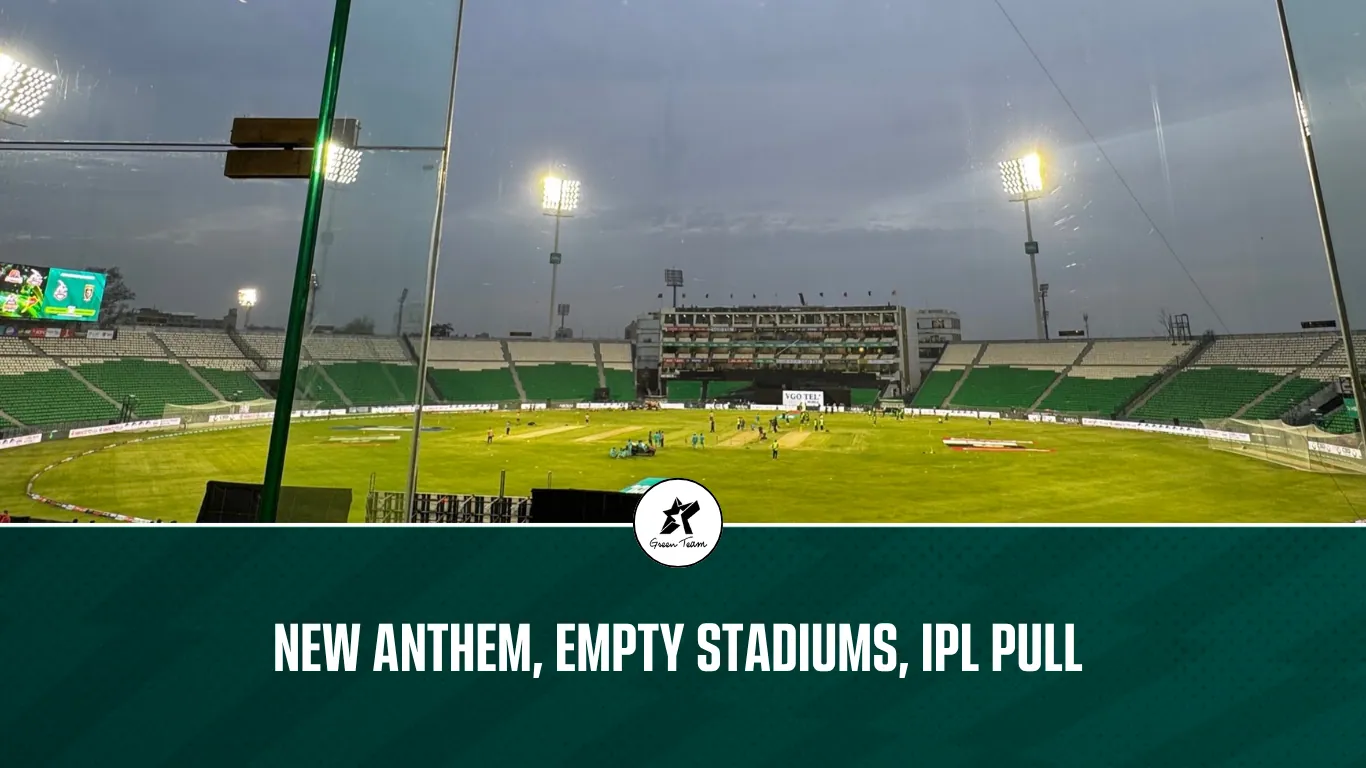
Behind Closed Doors: A Silent PSL
One of the most defining PSL 2026 changes is the decision to hold matches without spectators. Stadiums that once thrived on packed crowds will now remain empty throughout the tournament.
PCB chairman Mohsin Naqvi addressed the decision, stating:
“We can’t ask people to restrict their movements and then have 30,000 people in stadiums every day. We decided that as long as this crisis is ongoing, we will not have crowds at matches. This was a difficult decision, but it needed to be made. The opening ceremony will also be cancelled.”
The move aims to reduce operational costs while addressing security and logistical challenges. However, it will inevitably impact the atmosphere and fan experience.
Foreign Player Withdrawals and PCB Response
The PSL 2026 changes have also been shaped by foreign player withdrawals, with several opting for the IPL. PCB chairman Mohsin Naqvi acknowledged the issue but maintained that the situation remains controlled.
“We are aware that two to three players have left, and we are taking legal action regarding this,” he said. He added that the quality of overseas participation has remained stable despite these exits.
Naqvi emphasized that the IPL clash is not the sole reason behind withdrawals and noted that new international players continue to join the league. “If top players are going there, we are also seeing good players coming to us,” he stated.
This marks the second consecutive year of PSL running alongside the IPL, increasing competition for talent. Recent examples include Dasun Shanaka joining Rajasthan Royals and Blessing Muzarabani moving to Kolkata Knight Riders.
These exits have forced teams into last-minute changes, highlighting the growing financial and global pull of rival T20 leagues.
New Anthem Brings Energy Amid Uncertainty
Despite the challenges surrounding PSL 2026, the league has unveiled its official anthem, “Khelenge Beat Pe,” to energize fans and maintain excitement. The song features top artists, including Atif Aslam, Aima Baig, and the Sabri Sisters, combining modern beats with traditional Pakistani musical elements.
Blending Urdu, Punjabi, and English lyrics, the anthem aims to capture the spirit of cricket, resilience, and national pride, reflecting the league’s message that the show must go on despite empty stadiums and player withdrawals. Its high-energy rhythm, catchy chorus, and dynamic visuals in the music video showcase the vibrant culture and diversity of Pakistan while promoting PSL as a unifying sporting event.
A ‘New Era’ Under Pressure
Ironically, PSL 2026 was designed to represent progress and innovation. Plans included expanding from six to eight teams and introducing a new auction system.
However, ongoing disruptions have overshadowed these ambitions. The league must now focus on stability rather than expansion. PSL 2026 may lack packed stadiums and grand celebrations, but it highlights resilience. The league continues despite reduced venues, absent crowds, and player withdrawals.
This season represents a defining moment for PSL. Its ability to adapt will determine its future in the global cricket landscape.